
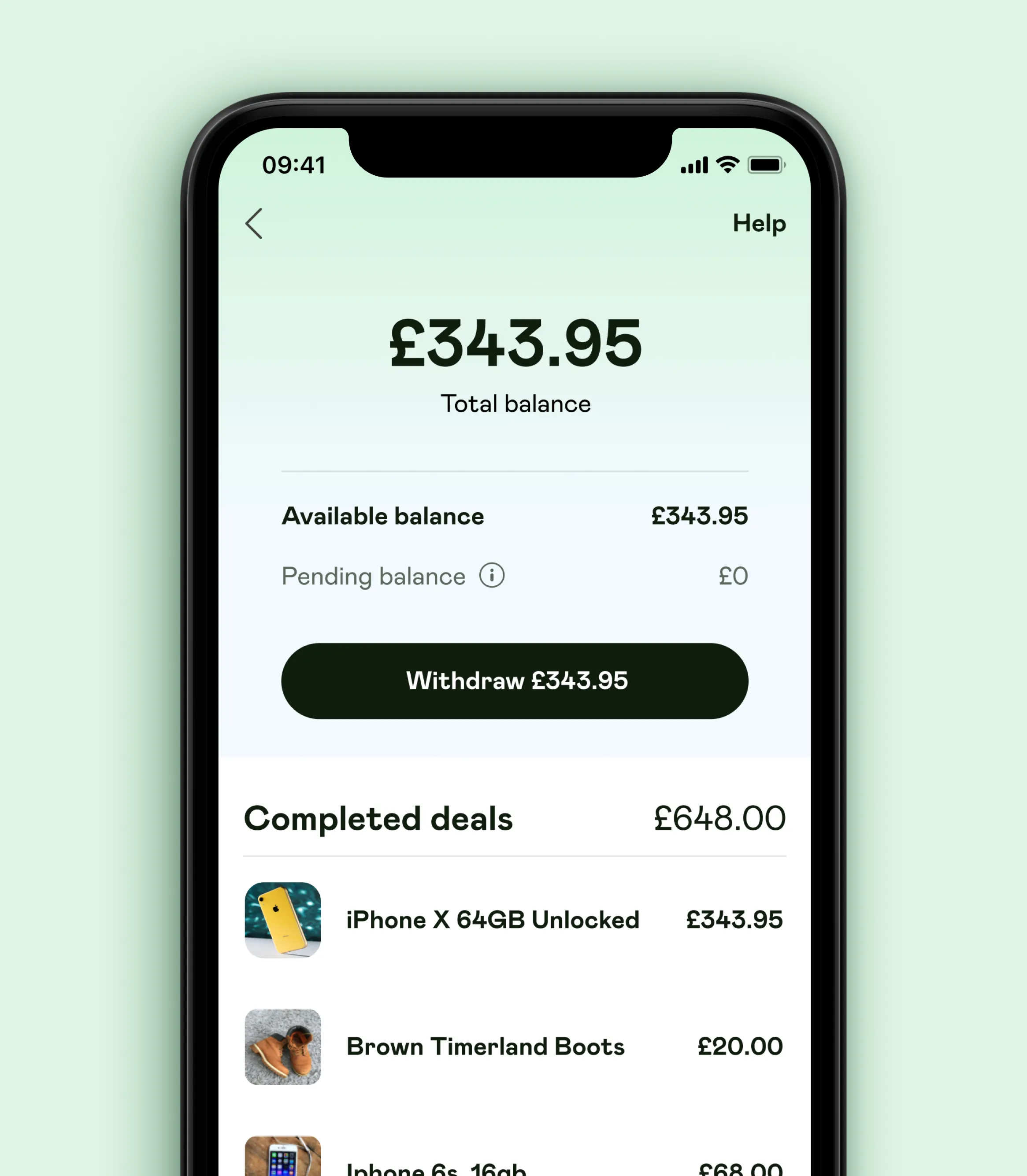
As the Shpock business model was rapidly moving towards online transactions I was tasked with designing a secure way of collecting and managing these transactions. We ended up calling it the "Shpock wallet".
It became clear early on that being honest with our users and allowing them to monitor all their transactions in a transparent manner was the only way to win their trust and get them to use our system. For this reason, managing expectations and communicating the status of each transaction was an essential part of this project.
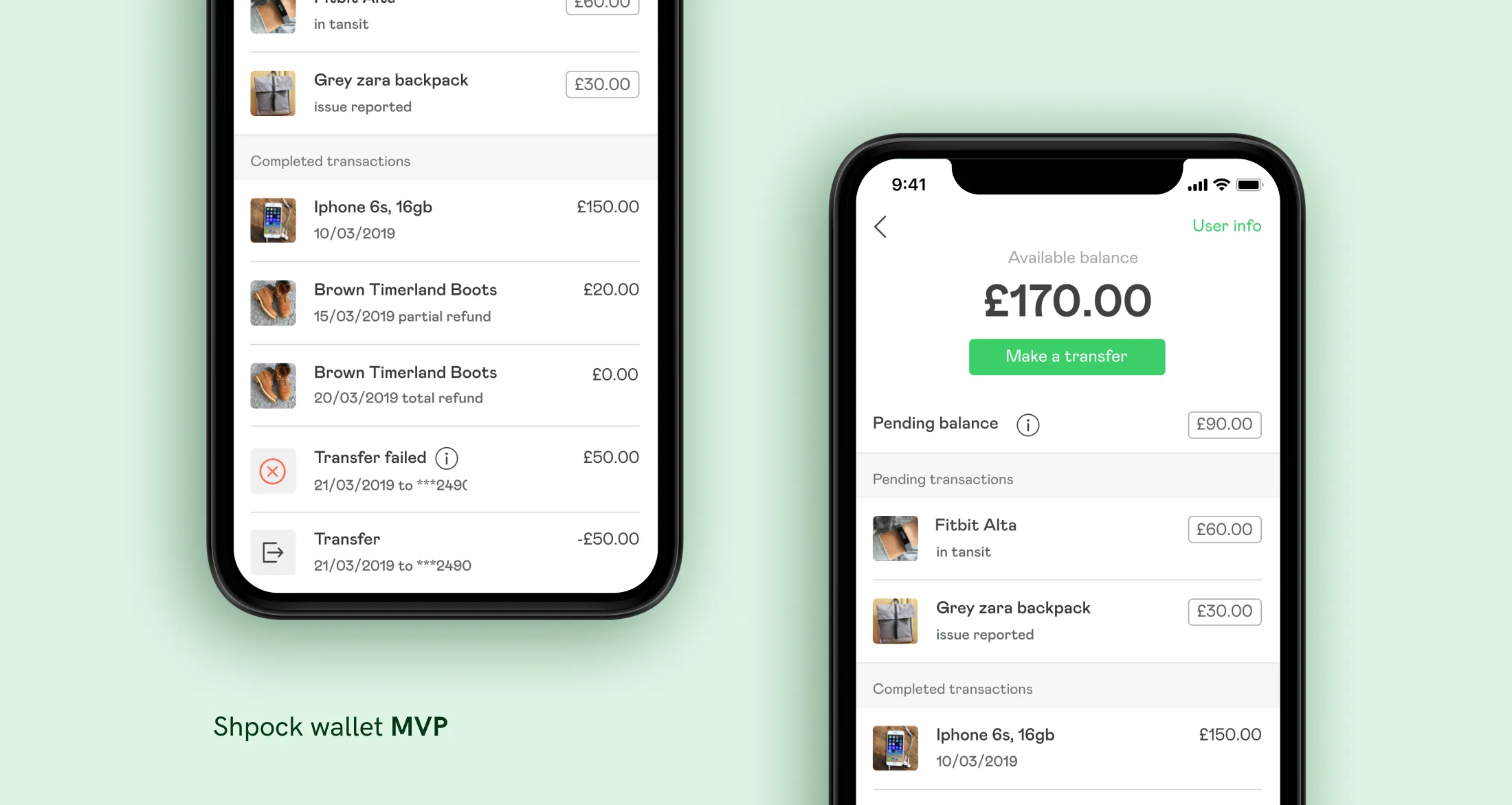
Going through a setup process is never something users look forward to but making the benefits clear as well as timing it just right can greatly improve the experience. For example, we did not ask users to set up their wallet until they absolutely needed it in order to move forward with their transaction. For example in the case of sellers we clearly communicate when listing an item and enabling online payments that a wallet will be necessary but setting it up is optional up until someone actually buys it.
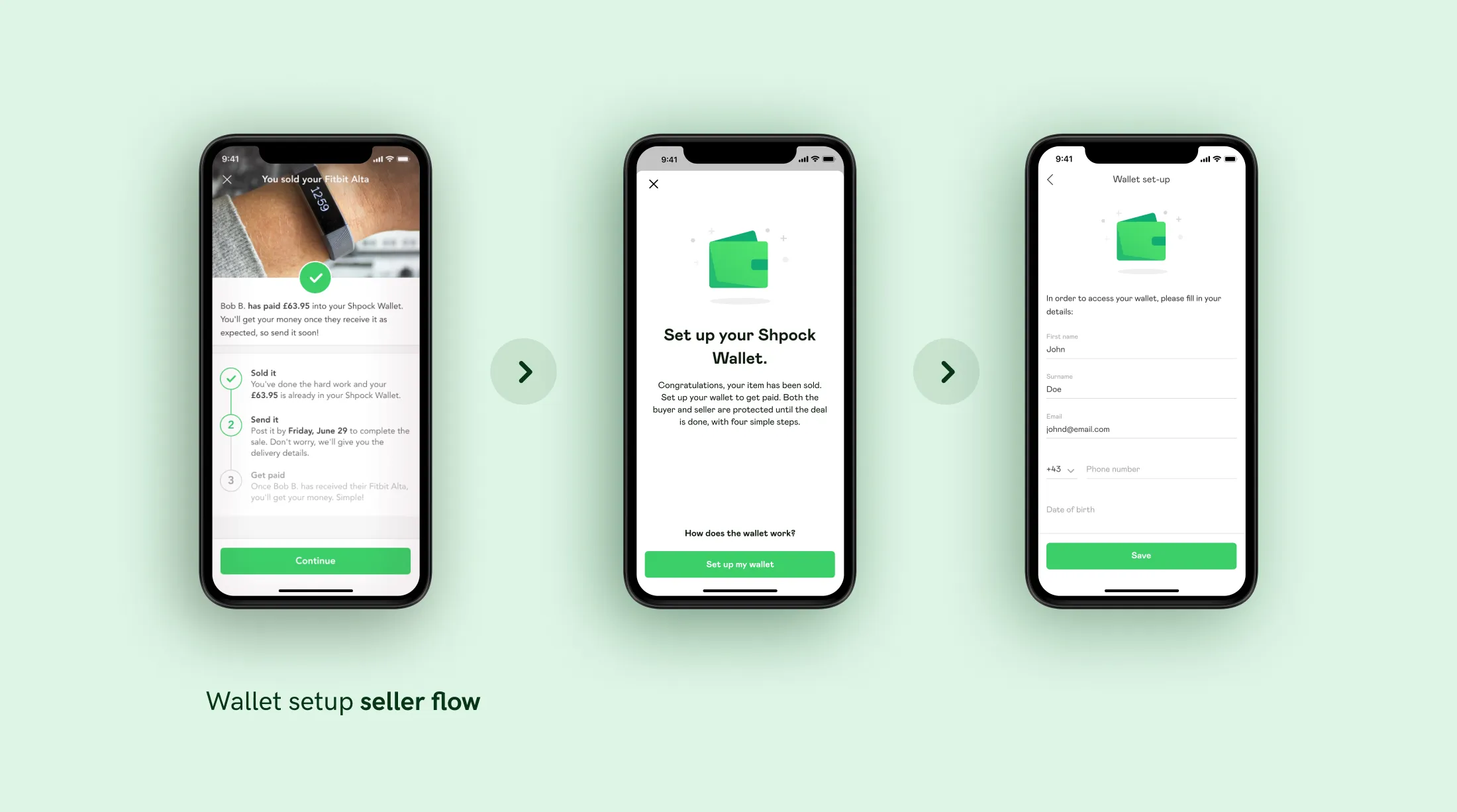
The entry points were carefully chosen so that they would be associated with something we called "joyful moments" like successfully completing a goal or task. With this mindset users are more likely to go through the hassle of entering their information and making sure everything is ready.
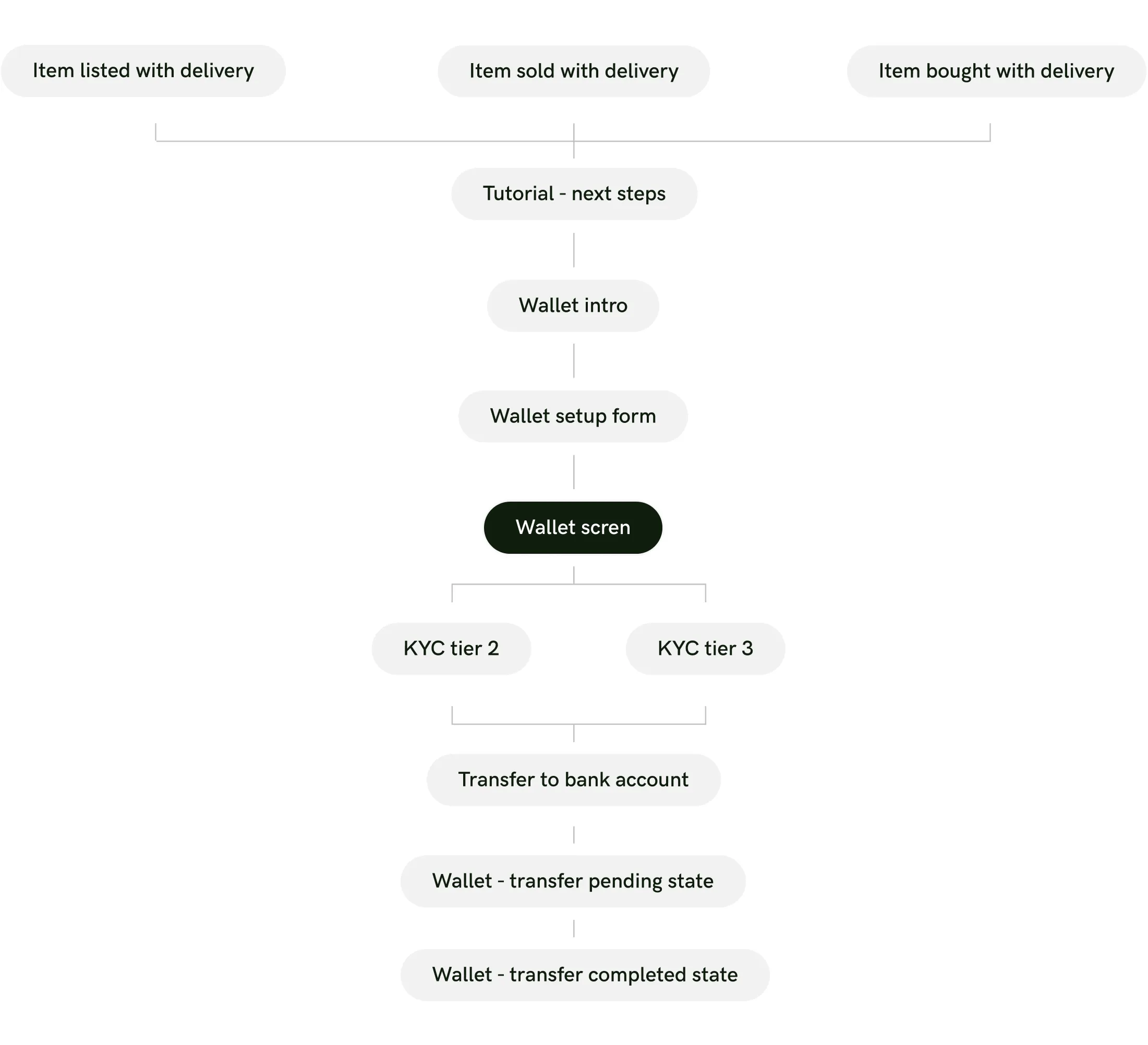
Once a transaction was completed the money was ready and waiting in the wallet. The KYC (know your customer) process helped make sure we had all the information required before a user transferred the funds to their bank account. Similar to the rest of the flow we only ask for this information if it's strictly necessary.
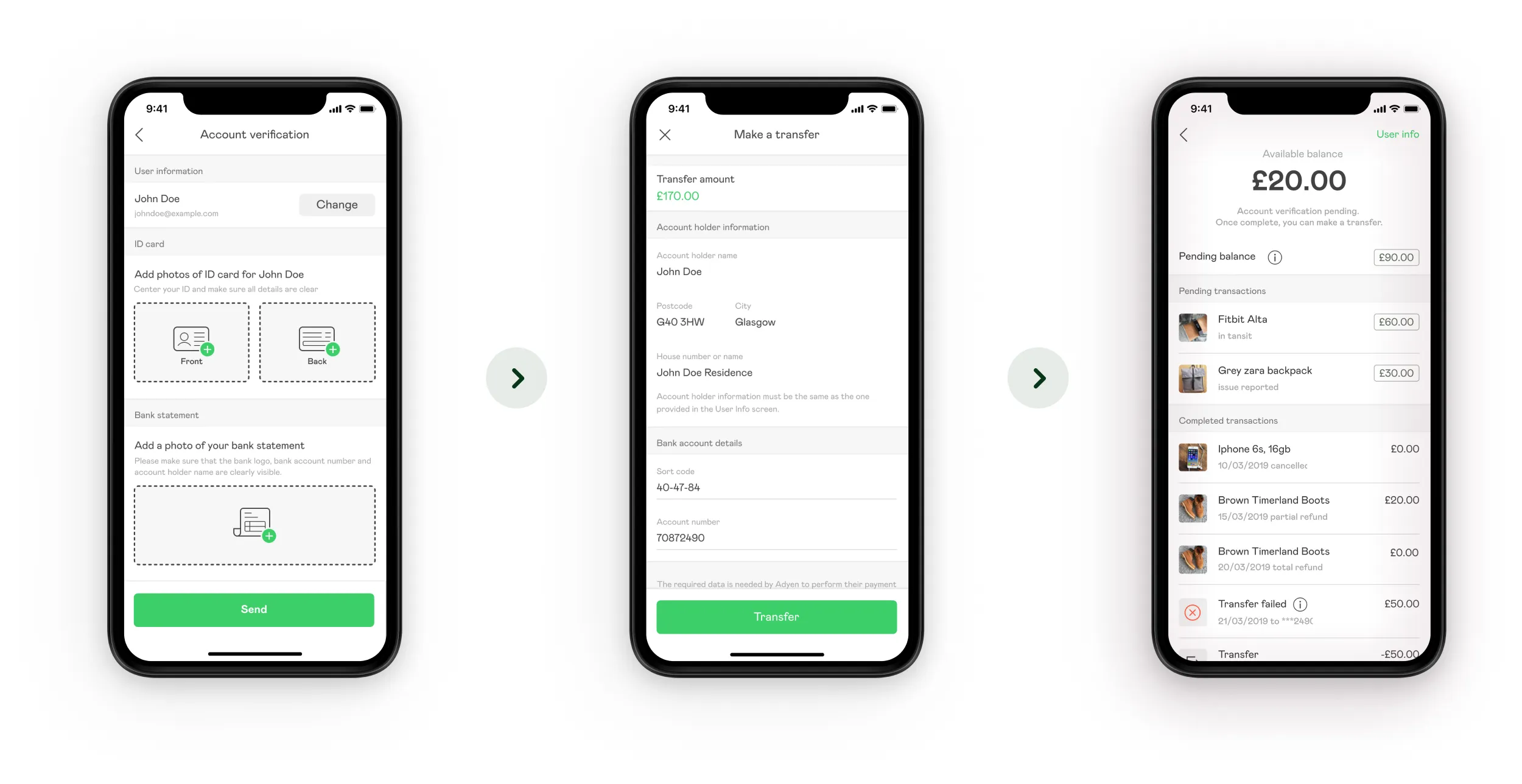
We knew that the Shpock wallet will have to evolve and adapt together with our transactional model so we kept learning, collecting data, and iterating. One of the bigger UI updates was the rebranding we did last year. Here is a quick preview of what it looks like now:
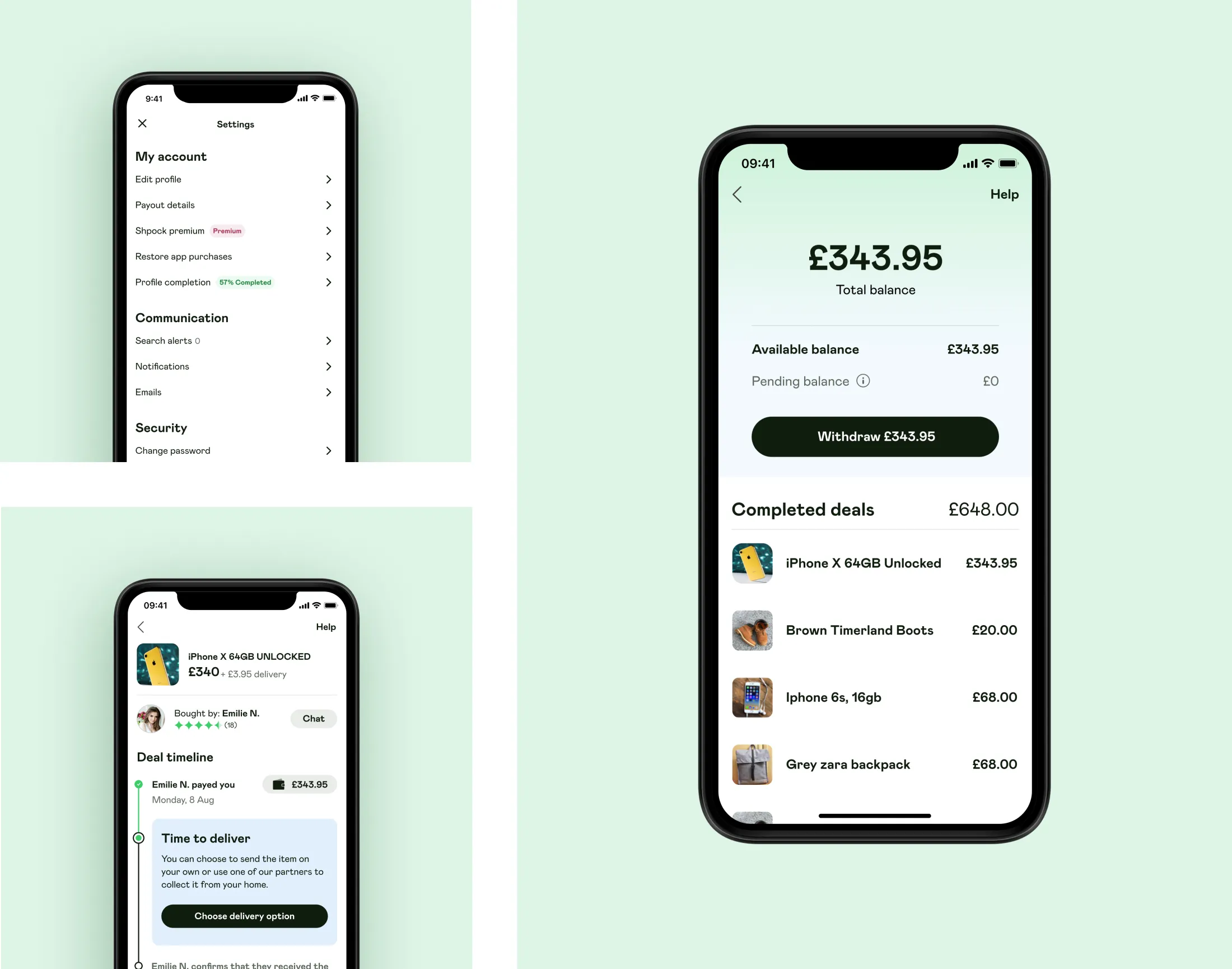
No doubt this was one of the most interesting projects I worked on at Shpock. The combination of legal requirements, UX, and communication issues made it very insightful and challenging at the same time.
